Industrial vs. Construction Millwright: Key Differences Explained
- CKF Industrial Contractors, LLC

- Aug 18, 2025
- 4 min read

Ever wondered who keeps massive factories running smoothly or installs the heavy machinery on busy construction sites? That’s the work of a millwright. While all millwrights share the same core expertise in working with machinery, the nature of their day-to-day work can vary greatly.
Two of the most common career paths are industrial and construction millwrights—one focused on maintaining and repairing existing systems, the other on assembling and installing brand-new equipment. These differences shape their work environments, tools, and challenges in distinct ways.
What Is an Industrial Millwright?
An industrial millwright works within operational facilities — most often indoors in places like manufacturing plants, refineries, or processing centers.
Their primary responsibility is to keep machinery running at peak performance. This involves preventive maintenance (scheduled upkeep to prevent breakdowns), troubleshooting mechanical problems, and repairing or replacing parts before they cause costly downtime. Typical equipment can include conveyor systems, turbines, pumps, and hydraulic presses.
They frequently collaborate with engineers, operators, and maintenance crews to ensure smooth operations, and may also be involved in upgrading machinery to boost efficiency or meet new production requirements.
What Is a Construction Millwright?
Construction millwrights are the builders of the trade, focusing on the installation and assembly of heavy machinery for new facilities or major upgrade projects. They often wear high-visibility PPE (personal protective equipment, such as neon vests or jackets, hard hats, and steel-toe boots) so they’re clearly seen on busy worksites.
Their work is typically project-based, moving from site to site depending on where machinery installations are needed. The fast pace of construction means adaptability is key, and working in outdoor or partially completed environments is part of the job.
Training and Certification
Both career paths usually start with an apprenticeship — a paid training program combining classroom learning with supervised, on-the-job experience. Apprentices gain skills in blueprint reading, rigging (lifting and moving heavy loads), precision alignment, and equipment operation.
Certification requirements vary by region. In some areas, completing the program and passing an exam earns you journeyman status (a fully qualified tradesperson). Specialized certifications, such as welding or advanced rigging, can further improve job prospects. Because technology in the trade continues to evolve, ongoing training is essential for long-term success.
Career Advancement
Career advancement is possible in both fields, with different paths to leadership.
In both fields, a journeyman can become a crew leader, supervisor, or project manager.
Industrial millwrights often find opportunities to move into management roles within their company, such as maintenance supervisor or plant manager. Their deep knowledge of a specific facility makes them ideal candidates for these positions.
Construction millwrights can advance to become a foreman, managing a crew on a job site, or a site superintendent overseeing entire projects. Their experience with diverse equipment and environments is a major asset in these leadership roles.
Work-Life Balance
The lifestyle differences between the two roles often come down to stability versus variety.
Industrial millwrights generally have set schedules and work at a single facility. This consistency makes it easier to plan personal time and maintain a routine. However, when critical equipment breaks down, they may be called in outside of normal hours to get systems back online.
Construction millwrights frequently work longer hours, often in the final push before project completion. Extended travel is common, and some projects require staying on-site for days or weeks at a time. While the unpredictability can be challenging, many enjoy the variety and the financial rewards.
Safety Requirements
Safety is essential in both roles, though the risks and procedures differ.
In industrial settings, hazards like moving machinery, electrical systems, and confined spaces require strict protocols such as lockout/tagout and routine inspections, along with PPE like safety glasses, steel-toe boots, and hearing protection.
On construction sites, dangers include working at heights, operating heavy equipment, and exposure to changing conditions. Crews follow daily safety briefings, fall protection training, and equipment certifications, in addition to wearing high-visibility clothing, hard hats, and harnesses.
Real-World Examples
Industrial Millwright Scenario: A conveyor belt in a packaging facility stops unexpectedly during peak production. You quickly identify the issue — a failed motor — source the replacement part, and have the line running again within hours, avoiding an extended shutdown.
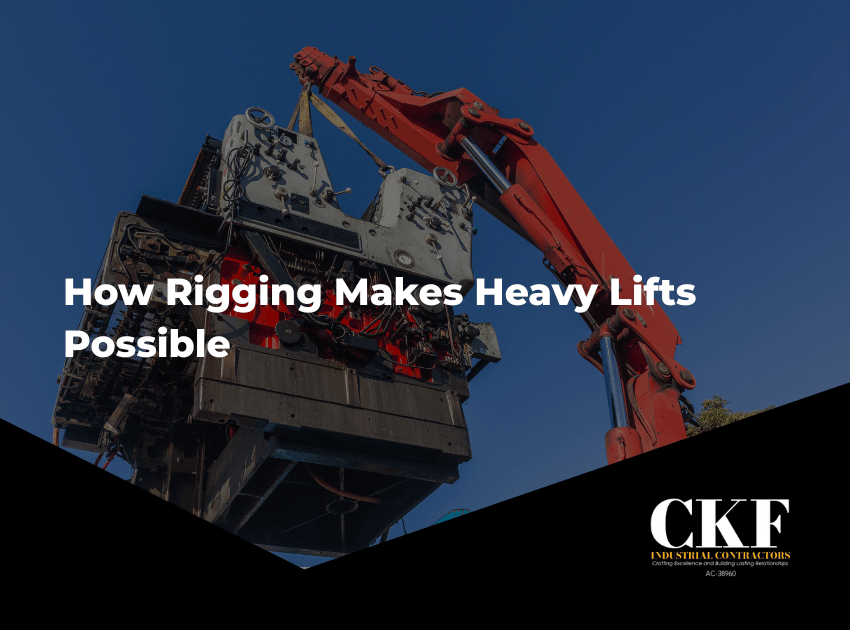
Construction Millwright Scenario: At a new manufacturing plant, your team installs a multi-ton press. Using cranes, rigging gear, and laser alignment tools, you position the machinery with precision. After weather delays, the project requires several late-night shifts to meet the client’s launch date.
Both roles demand technical expertise, problem-solving skills, and the ability to work under pressure — but the pace, environment, and scope of work are very different.
Which Career Path Is Right for You?
Industrial millwrights may prefer:
A steady location and schedule
Specializing in maintaining complex systems
Using diagnostics to improve performance
Construction millwrights may prefer:
Moving from project to project
Hands-on installation work
Working in varied, dynamic environments
Conclusion
Industrial millwrights keep existing machinery operating at peak performance, while construction millwrights assemble and install the systems that power new facilities. Both paths offer valuable hands-on skills, and opportunities to advance into leadership.
The right choice comes down to your preferences — whether you value the predictability of maintaining equipment in a set location or the variety and travel of building new systems. With industries continuing to rely on complex machinery and large-scale infrastructure, millwrights in both fields will remain essential to keeping the wheels of industry turning.
If you’re considering a career in the trade, exploring local apprenticeship programs or speaking with experienced millwrights can help you choose the path that fits your strengths and goals.


Comments