What is Prefabrication in Construction?


Prefabrication is one of the fastest growing areas of construction. Traditionally, construction has involved the majority of the building process taking place on the job site. Once materials arrive, a crew will then proceed to cut and assemble the various components of the building piece by piece.
However, not every component of a building must be constructed on site. A large number of today's construction projects utilize components manufactured prior to arrival at the job site which then are assembled on the jobsite.
This method is called prefabrication.
Prefab involves the manufacture of structural elements and building components in controlled environments, off-site, prior to their delivery to and assembly at the construction site.
By producing the bulk of the building process off-site, contractors can significantly reduce the amount of time and money spent on the installation phase of a project.
What does prefabrication really mean?
Prefabrication is the process of constructing or assembling building components off-site, generally in a controlled factory or fabrication shop, and then transporting those components to the construction site for final installation.
Unlike traditional construction practices, in which most of the work occurs at the jobsite, prefabrication moves most of the work from the jobsite to a controlled environment.
Generally, only the foundation work, utility hookups and the final assembly occur at the jobsite.
Prefabrication is a broad term and can refer to:
Pre-cut steel or lumber components
Pre-assembled wall, floor or roof panels
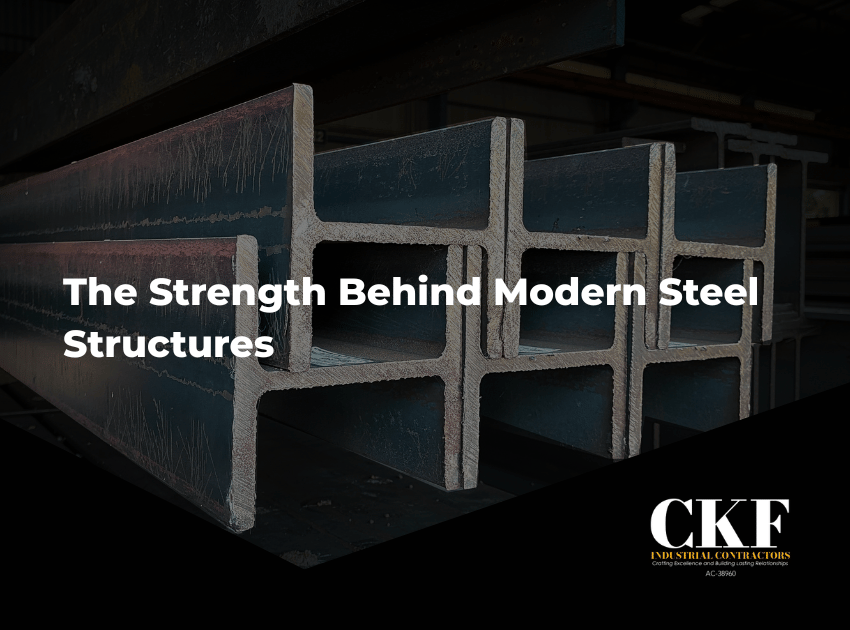
Structural steel components, i.e. beams, columns, trusses
Mechanical, Electrical, Plumbing (MEP) assemblies
Large sections of building modules
Modular Construction
Modular construction is a type of prefabrication. Modular construction is the process of building entire sections of a structure off-site, usually as self-contained units, and then assembling them on-site.
All modular construction is a form of prefabrication, however, not all forms of prefabrication are modular. Modular construction typically consists of whole building sections or modules while some types of prefabrication consist of small components or panels.
The Process of Prefabrication (How Prefabrication Works)
Prefabricated construction generally follows a well-defined process that includes both planning, manufacturing and installation.
Design/Engineering
The first step in prefabricated construction is to accurately plan out how the structure will be broken down into individual components that can be manufactured off-site and safely transported to the job site. This accurate planning is necessary because all of the prefabricated parts must go together properly at the job site.
Off-Site Manufacturing
Following the completion of design/engineering the individual components are manufactured in fabrication shops or factories. Working in a controlled environment enables the manufacturer to achieve greater quality control and closer tolerances.
A variety of specialized equipment is utilized to cut, shape, and assemble components in accordance with design specifications.
Transporting Prefabricated Parts to the Job Site
Once all of the components are fabricated, they are transported to the construction job site. Individual components, partially assembled sections, or even large structural units may be transported to the job site.
It is very important to consider transportation issues as a result of transporting larger components to the job site. These components may require specialized handling equipment or personnel.
Assembly of Prefabricated Parts on the Job Site
Upon arrival at the construction job site, the prefabricated components are assembled by the installation crew. For structural steel construction, this typically involves lifting and securing prefabricated beams, columns, etc. to create the structure.
Since so many components have already been assembled prior to arriving at the job site, the actual assembly process is generally faster and more efficient than traditional field construction methods.
Examples of Prefabrication in Structural Steel and Industrial Construction
Prefabrication is commonly practiced in structural steel and industrial projects in which both efficiency and consistency are significant factors.
Examples of prefabrication in structural steel include:
Pre-engineered metal buildings (PEMB): PEMBs utilize prefabricated frames and panels which facilitate rapid assembly.
Structural steel sub-assemblies: Include beams, platforms and/or stair systems that are prefabricated off site and installed as single units on the construction site.
Piping and mechanical systems: Piping and mechanical systems, such as pipe spools, ductwork and equipment skids, are prefabricated prior to delivery to the construction site for installation.
Modular Systems: Includes equipment rooms and/or industrial units which are prefabricated off site and installed as complete units on the construction site.
Advantages of Prefabrication
Faster Construction Schedules
Since components are manufactured in advance, the installation team can begin installation upon receipt of the prefabricated components. This can significantly reduce the total project duration. In fact, in many cases, project durations can be reduced by 20-50% (McKinsey & Company).
Improved Quality Control
Since prefabrication occurs in a controlled environment, quality control is greatly enhanced. Weather and job site conditions have less influence on production and subsequently less opportunity for rework.
Reduced Job Site Congestion
Fewer materials are processed at the job site, resulting in less cutting, welding, and assembly. This helps to keep the job site more organized and more efficient.
Improved Safety
More work occurring off-site equates to less labor occurring in potentially hazardous working conditions. Ultimately, this improves overall job site safety.
Less Material Waste
Controlled fabrication facilities have a significant advantage in terms of material usage efficiency and managing waste versus field construction environments.
In fact, some of the best cases show an average reduction of 90% of on-site waste in optimized off-site or modular cases (WRAP case studies on volumetric construction, such as Yorkon, and other industry analyses).
Effects of Prefabrication on Millwrights and Steel Trades
Prefabrication also influences how the work is done in the field.
Millwrights: In many instances, millwrights are installing pre-assembled equipment, machinery skids or system components. The emphasis for millwrights is now on precise installation, alignment and setup rather than constructing everything from scratch in the field.
Structural Steel Crews: The installation of prefabricated components will allow for more rapid assembly. Rather than doing all of their work in the field, structural steel crews will install prefabricated components. This eliminates much of the need for cutting and welding on-site.
Conclusion
Prefabrication represents a growing area of modern construction. Contractors can increase efficiency, ensure consistent quality, and reduce the complexity of installation by manufacturing building components prior to their transportation to the construction site for installation.
Prefabrication is utilized extensively throughout the construction of structural steel, industrial facilities, and commercial buildings due to the ability to produce identical components in a controlled environment.
As construction methods continue to evolve, it is expected that prefabrication will remain a vital aspect of construction methods for many future construction projects.


Comments